
Dental Crown is also known as dental cap , is a type of dental restoration which completely caps or encircle a tooth or dental implant.
Indication
- In order to restore the form , function and appearance of badly broken teeth, worn or fractured teeth.
- Replace existing crowns which have failed.
- Reduce the risk of fracture of extensively restored teeth including those which have been RCT treated.
- To cover a discolored tooth.
Dental Cap / Crown Cost
Prices for dental crown / cap ranges from NPR 10,000 to NPR 26,000 depending on the material you choose.
For detail about dental cap cost please Visit Our Prices / Services Page
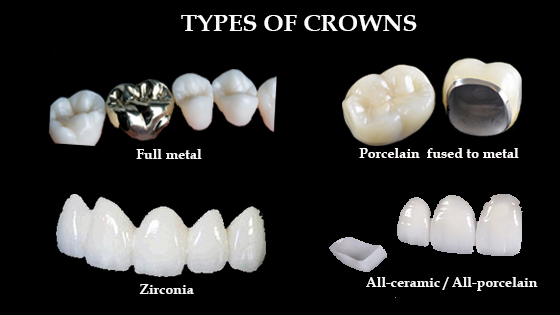
Types Of Crown
- Metal Crown
- Metal-Ceramic Crown
- All Ceramic (eMax)
- Zirconia Crown
How long do Dental Crown Last?
Crown lasts for a lifetime .However, they do sometimes be loose or fall out.
Practicing good oral hygiene can ensure the longevity of your crown.
How to prevent damage to Crown?
Maintain the oral hygiene with regular dental follow-up .
Frequently Asked Questions
Dental Crown / Cap in Nepal — Your Questions Answered
Everything you need to know about dental crowns — types, cost, procedure, lifespan, and aftercare — at DentaLife Oral Concern, Kathmandu.
Understanding dental crowns
-
A dental crown (also called a dental cap) is a tooth-shaped covering that fits completely over an existing tooth or dental implant — restoring its shape, size, strength, and appearance. Once cemented in place, the crown encircles the entire visible portion of the tooth above the gum line.
Dental crowns are used for several different situations:
- Broken or cracked teeth: Restoring the form and function of a tooth that is too damaged for a filling alone
- Badly decayed teeth: When decay has destroyed so much tooth structure that a filling would not be strong enough
- After root canal treatment (RCT): Protecting a root-treated tooth from fracture — a crown after RCT is essential, not optional
- Worn teeth: Restoring teeth that have been ground down by bruxism (teeth grinding) or acid erosion
- Discoloured teeth: Covering a tooth that is severely stained or discoloured and cannot be improved by whitening
- Failed existing crowns: Replacing old or broken crowns with new ones
- Dental implants: A crown placed on top of an implant fixture to create a complete artificial tooth
- Dental bridges: Crowns on either side of a gap serve as anchors (abutments) for a bridge
-
Your dentist will recommend a crown if your tooth has one or more of the following:
- A large cavity or crack that cannot be reliably restored with a filling — generally when more than half the tooth structure is damaged
- A visible fracture line or split that puts the tooth at risk of breaking further
- Completion of root canal treatment — RCT teeth are brittle and require a crown to survive long-term
- An existing large, old, or failing filling that needs to be replaced with something more durable
- Severe wear on the biting surface from bruxism or acid erosion
- A tooth that is badly discoloured and affects your smile appearance
- A dental implant that requires a crown to function as a complete tooth
An X-ray and clinical examination are needed to determine whether a crown is the right treatment. Book a consultation at DentaLife and our dentist will advise you clearly — including which crown type and the exact cost — before any treatment begins. -
A filling repairs a portion of a tooth — it fills in a cavity or small area of damage while relying on the remaining natural tooth structure for support and strength.
A crown covers the entire tooth — it is chosen when the remaining tooth structure is too compromised to support a filling reliably. Key differences:
- Coverage: A filling repairs part of a tooth; a crown covers the whole visible tooth
- Strength: A crown distributes biting forces across the whole tooth, significantly reducing fracture risk; a large filling in a weakened tooth can cause the tooth to split
- Durability: Crowns — especially zirconia and eMax — last significantly longer than large composite or amalgam fillings
- Fabrication: Fillings are placed in one visit; crowns are lab-fabricated and require at least two appointments
- Cost: Crowns cost more than fillings but provide superior long-term protection for heavily damaged teeth
Choosing a large filling over a recommended crown is a false economy — a fractured tooth due to a missed crown often requires extraction, which is far more expensive to replace than the original crown would have been.
Crown types & cost in Nepal
-
At DentaLife Oral Concern, Kathmandu, dental crown prices range from NPR 10,000 to NPR 26,000 depending on the material chosen:
Crown type Approx. cost Best for Metal crown NPR 10,000–12,000 Back teeth (molars) — strength priority Metal-ceramic (PFM) NPR 14,000–18,000 Front & back — balance of aesthetics and cost All-ceramic (eMax) NPR 20,000–24,000 Front teeth — most natural appearance Zirconia crown NPR 22,000–26,000 Front & back — strongest, most aesthetic For the most current and tooth-specific pricing, visit our Prices & Services page or message us on WhatsApp before your appointment.
Note: If a root canal treatment is needed before the crown, it is priced separately (NPR 10,000–16,000). Your dentist will give you the total cost of both at the consultation. -
DentaLife offers four types of dental crowns, each suited to different situations:
- Metal crown: Made from gold alloy or base metal alloys. Extremely strong and durable — the best choice for back molars where aesthetics are not a priority. The most affordable option. The silver/gold colour is its only drawback.
- Metal-ceramic crown (PFM — Porcelain Fused to Metal): A metal inner layer for strength, with a tooth-coloured porcelain outer layer for appearance. A widely used, cost-effective option for both front and back teeth. Can sometimes show a thin dark line at the gum margin over time as the gum recedes.
- All-ceramic crown (eMax): Made entirely from high-strength lithium disilicate ceramic — no metal at all. Provides the most natural-looking, translucent appearance that closely mimics real tooth enamel. Ideal for front teeth where aesthetics are the priority. Slightly less strong than zirconia but more than adequate for front teeth.
- Zirconia crown: Made from zirconium oxide — an exceptionally strong, biocompatible ceramic. Combines the strength advantages of metal with the aesthetic advantages of tooth-coloured ceramics. No dark gum line, no metal, excellent for both front and back teeth. The premium option offering the longest lifespan.
-
There is no single "best" crown — the right choice depends on the tooth's location, function, aesthetic importance, and your budget. Here is a side-by-side comparison:
Feature Metal Metal-ceramic eMax Zirconia Appearance Silver/gold Tooth-coloured Most natural Very natural Strength Excellent Very good Good Excellent Durability Very long Long Long Longest Gum line No dark line May show grey line No dark line No dark line Cost (NPR) Lowest Mid-range Higher Highest Best for Back teeth Front & back Front teeth Any tooth For front teeth visible when smiling, eMax or zirconia are the recommended choices for the most natural result. For hidden back teeth, a metal or metal-ceramic crown delivers excellent strength at lower cost. Our dentist will advise the best option for your specific tooth at your consultation.
The crown procedure
-
Getting a dental crown typically requires two appointments at DentaLife:
First appointment — tooth preparation & impression:
- Local anaesthesia is administered to numb the tooth and surrounding area
- The tooth is shaped (prepared) by removing a thin, uniform layer of enamel from all surfaces — creating space for the crown to fit over without making the tooth feel bulky
- An impression (mould) of the prepared tooth and surrounding teeth is taken and sent to the dental laboratory
- A temporary crown is placed over the prepared tooth to protect it while the permanent crown is being made
Second appointment — crown fitting (1–2 weeks later):
- The temporary crown is removed
- The permanent crown returned from the lab is checked for fit, colour, and bite
- Minor adjustments are made if needed
- The crown is permanently cemented onto the prepared tooth
The lab fabrication period is typically 1–2 weeks. During this time, the temporary crown protects your prepared tooth — avoid chewing sticky or hard food on that side while wearing the temporary. -
The crown procedure is performed under local anaesthesia, making it completely comfortable throughout. The tooth preparation (shaping) involves no pain — you will feel pressure and vibration from the drill but no sharp sensation while numb.
After the anaesthetic wears off:
- Mild sensitivity around the prepared tooth is normal for a few days after the first appointment
- The temporary crown may feel slightly different in the bite — this is normal and adjusts when the permanent crown is fitted
- Sensitivity to hot and cold on the prepared tooth is common and usually resolves once the permanent crown is cemented
- If you experience prolonged or severe pain, contact DentaLife — it is rarely needed but our team will assess and resolve any issues promptly
-
A standard dental crown at DentaLife requires two appointments:
- Appointment 1 (tooth preparation): Approximately 60–90 minutes. The tooth is shaped, an impression is taken, and a temporary crown is placed.
- Lab fabrication: 1–2 weeks (the permanent crown is made in the dental laboratory to your exact specifications).
- Appointment 2 (crown fitting): Approximately 30–45 minutes. The temporary is removed, the permanent crown is fitted, adjusted, and cemented.
If a root canal treatment is needed before the crown, additional appointments are required first. Your dentist will give you a clear timeline at the initial consultation.
Lifespan, aftercare & maintenance
-
With proper care, a dental crown can last many years — potentially a lifetime. However, the actual lifespan depends on the material and how well it is maintained:
- Zirconia crown: 15–25+ years with good oral hygiene — the most durable option available
- eMax (all-ceramic) crown: 10–20 years on front teeth with good care
- Metal-ceramic (PFM) crown: 10–20 years; the porcelain layer can chip over time
- Metal crown: 20+ years — metal crowns rarely fail structurally; longevity issues are usually due to decay under the crown
The most common reasons crowns fail prematurely:
- New decay developing at the margin where crown meets tooth (poor oral hygiene)
- Cement washout allowing bacteria to enter under the crown
- Porcelain chipping from biting hard objects
- Teeth grinding (bruxism) — accelerates wear on all crown types
Regular dental scaling every 6 months and good daily brushing and flossing are the most important factors in extending crown lifespan. -
A dental crown is durable but requires proper care to last as long as possible:
- Brush twice daily with a fluoride toothpaste — pay particular attention to the gum line around the crown where bacteria accumulate
- Floss daily around the crown — flossing removes plaque from the margins where the crown meets the tooth, preventing decay underneath
- Avoid very hard foods on the crown — ice, hard candy, raw bones, and similar foods can chip ceramic crowns
- Avoid sticky foods — chewing gum, toffee, and very sticky foods can dislodge a crown, especially if the cement weakens over time
- Do not use your crowned tooth as a tool — opening bottles or bags with teeth causes chipping and fracture
- Wear a night guard if you grind teeth: Bruxism (teeth grinding during sleep) significantly accelerates crown wear — your dentist can fabricate a custom occlusal splint
- Attend regular dental check-ups: Visit DentaLife every 6 months for scaling and examination — your dentist checks the crown margins and bite at each visit
-
A dislodged or loose crown needs prompt attention — do not ignore it. Here is what to do:
- Keep the crown safe: If the crown has come off, rinse it gently and store it in a clean container or zip-lock bag
- Protect the tooth: The prepared tooth underneath is sensitive and vulnerable — avoid chewing on that side and avoid very hot or cold foods until you see your dentist
- Do not use over-the-counter glue: Household adhesives are not safe for dental use and can damage both the crown and the tooth
- Contact DentaLife promptly: Call or WhatsApp +977-9843488192 to book an emergency appointment — we will examine whether the crown can be re-cemented or needs replacement
A crown that has fallen off more than once may indicate new decay under the margin or a structural issue with the tooth itself. Your dentist will X-ray and assess before re-cementing. -
Yes — this is one of the most important things to understand about crowns. A crown covers the visible part of the tooth above the gum line but the tooth root and the natural tooth structure beneath the crown are still vulnerable to decay.
Decay under a crown most commonly occurs at the margin — the junction where the crown edge meets the natural tooth at the gum line. If plaque and bacteria accumulate at this junction and are not cleaned away, decay can develop, eventually undermining the crown and compromising the tooth.
How to prevent decay under a crown:
- Brush carefully at the gum line around the crown twice daily
- Floss daily, pulling the floss gently under the crown margin on both sides
- Use a fluoride toothpaste — fluoride strengthens the tooth structure at the margin
- Attend regular dental check-ups so the margins can be examined and cleaned professionally
Decay under a crown is often detected on X-ray before it causes symptoms. This is why regular check-up X-rays matter even when the crown looks fine from outside.
Crown after root canal treatment
-
After root canal treatment, the tooth loses its nerve supply — which means it no longer receives the moisture and nutrients that kept the dentine flexible and resilient. The tooth becomes significantly more brittle and susceptible to fracture under normal biting forces.
A crown after RCT:
- Distributes biting forces evenly across the whole tooth, preventing fracture
- Seals the access opening to prevent bacteria from re-entering the root canal system
- Restores the full shape, height, and function of the tooth
- Dramatically increases the long-term survival rate of the root-treated tooth
Studies consistently show that root-treated teeth without crowns have a significantly higher rate of fracture and loss within a few years — making the crown an essential part of the complete treatment, not an optional add-on.
Do not delay the crown after RCT. A temporary filling protecting a root-treated tooth is not designed for long-term use. Get the crown placed within 2–4 weeks of completing root canal treatment to protect your investment. -
The best crown after RCT depends on which tooth was treated:
- Front teeth (incisors and canines): eMax (all-ceramic) or zirconia crowns are recommended — they provide excellent strength for front teeth while delivering the most natural appearance. A metal or metal-ceramic crown on a visible front tooth would affect smile aesthetics.
- Back teeth (premolars and molars): Zirconia is the most popular choice — it combines exceptional strength (essential for molar biting forces) with a tooth-coloured appearance. Metal crowns are also a strong, cost-effective option for molars where aesthetics are less critical.
- Metal-ceramic (PFM): A reliable mid-range option for both front and back teeth when budget is a consideration.
Your dentist at DentaLife will recommend the most appropriate material based on the specific tooth, your bite forces, and your aesthetic preferences.
Booking & getting started
-
Booking is quick and easy — choose any of these options:
- WhatsApp (fastest): Message +977-9843488192 with your preferred date and time — we reply within 2 hours on working days (Sunday–Friday)
- Call us: Mobile +977-9843488192 · Landline +977-1-4163520
- Walk-in: Visit us at Kantipath, Jamal, Kathmandu — Sunday to Friday, 10AM–6PM
- Online: Use our online appointment form
Not sure which crown is right for you? Just come in for a consultation — our dentist will examine your tooth, take an X-ray if needed, and give you a clear recommendation with the exact cost before any treatment begins.
Need a dental crown or cap?
Message us your preferred date & time on WhatsAppDentaLife
Dental Clinic in Kathmandu





Copyright © 2026 by DentaLife Oral Concern Pvt. Ltd. – Dental Clinic in Kathmandu. +977-9843488192
Copyright © 2025 by DentaLife Oral Concern Pvt. Ltd – Dental Clinic in Kathmandu. All rights reserved.
+977-9843488192