
Preventive Dentistry
Preventive dentistry is the practice of caring for your teeth to keep them healthy, sparkling and happy. This helps to avoid cavities, gum disease, enamel wear, and more.
There are many forms of preventive dentistry, such as daily brushing and dental cleanings. To maintain optimal oral health, the American Dental Association (ADA) recommends visits to the dentist at regular intervals determined by a dentist. These practices are designed to ensure that teeth are clean, strong, and white. Children should be taught proper oral hygiene at an early age.
Visit Our Prices / Services Page for more details
Who Benefits from Preventive Dentistry?
Everyone benefits from preventive dentistry. Children, in particular, benefit because it allows their newly developing adult teeth to come in strong and healthy. Dental sealants and topical fluoride treatments help prevent decay in your children’s teeth. If you’re an aging adult, you can benefit from preventive dentistry because it helps you to keep your natural teeth.
Oral health is connected to the health of your body as a whole. This is because the mouth is a breeding ground for harmful bacteria. Maintaining a clean mouth benefits your overall health.
In addition to reducing your risk for other health issues, practicing good preventive health can also save your money. Even with dental insurance, the costs associated with poor oral hygiene can add up. While preventive dentistry may not completely eliminate your need for fillings, root canals, or dental implants.
Preventive Dentistry Oral Care Practices
A. What you can do in the dental Office:
What goes on in the office in terms of preventive dentistry? A lot! Regardless of age, a variety of procedures occur in the dental chair. And guess what?
- Regular dental examinations are preventive as they detect the potential for decay and other oral health concerns. Oral examinations, X-Rays, and cancer screenings are all focused on prevention.
- Dentists also recommend having your teeth routinely cleaned. Getting your teeth cleaned prevents periodontal (gum) disease and keeps your gum tissue healthy. When you get your teeth cleaned by a dentist, they’ll use special instruments to remove off any tartar (hardened plaque)
- Your dentist will let you know how often they’d like you to visit them. It’s different for everyone, depending on the state of your teeth and oral health in general. Some people need to go once or twice a year, while others may need to go more often.
Treatment for Children
Preventive dentistry is essential (and highly recommended) for your kids. Early examinations and cleanings before bacteria even have the chance to build up can ensure a lifetime of dental health.
- Fluoride treatments: are a useful measure in preventing tooth decay in children. According to the American Academy of Pediatric Dentistry (AAPD), topical fluoride treatments support children in strengthening their tooth enamel during the years when they’re most prone to cavities.
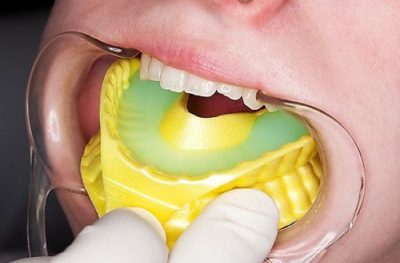
Fluoride Application by gels/foam is a highly concentrated form of fluoride, which is applied to the tooth’s surface, by a dentist. It is a form of topical fluoride therapy. It is not a permanent treatment. It can be used to help prevent decay and to remineralize the tooth surface.- Fluoride varnishes are available in different flavors, which can be advantageous when treating kids and adolescents.
- Fluoride trays filled with fluoride foam are placed on the teeth for 4-5 minutes.
- Its application is quick and easy.
- It has a sticky consistency, which helps it to bind with the tooth’s surface thereby allowing the fluoride to stay in contact with the tooth.
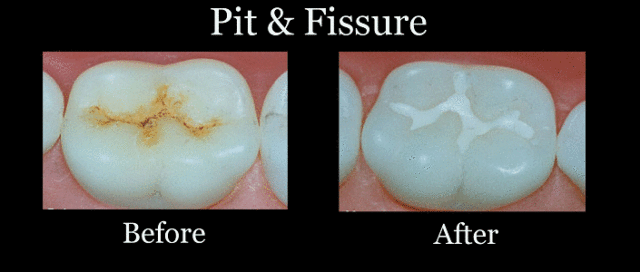
2. Dental Sealants are also preventive. They help to protect your kids’ back teeth (molars). Sealants are painted onto the top surface of the teeth to prevent decay. When you seal these teeth as soon as they come in, they can stay cavity-free for life. Sealants reduce the risk of decay by nearly 80% in molars.
Lastly, as children grow and their teeth come in, they may need to see an orthodontist. Usually, your dentist will help determine if this is needed, and they’ll make a referral. An orthodontist will use Braces/Aligners to correct misalignment.
B. What You can do at Home:
- Brush your teeth two times a day, with a soft-bristled toothbrush for two full minutes . American Dental Association (ADA) approved fluoride toothpaste is also recommended.
- Floss once a day. Cleaning between your teeth is essential in managing tooth-decaying bacteria. Flossing helps to remove food particles and plaque between the teeth and under your gum line.
- Visit your dentist regularly. Seeing your dentist allows them to stay on top of any red flags regarding your oral health.
- Eat a balanced diet. Vitamins and minerals are essential for your oral health. It’s also important to limit sugary beverages and snacks. Also, drink plenty of water every day!
Now you know the secret to clean and healthy teeth is preventive dentistry!
It’s the best way to keep away gum disease, cavities, and other common conditions . Oral care practices are just as important as dental visits. So keep up with brushing your teeth twice a day, flossing daily, and eating a healthy diet. And remember to visit your dentist regularly. And that includes your kids too. So if you haven’t already, get started practicing preventive dentistry right away.
Good news: just by reading this, you’re already doing great things for yourself and your smile.
Frequently Asked Questions
Preventive Dentistry — Your Questions Answered
Quick answers about preventive dental care, fluoride treatment, dental sealants, and keeping your teeth healthy at DentaLife Oral Concern, Kathmandu.
The basics
-
Preventive dentistry is caring for your teeth to stop problems before they start — avoiding cavities, gum disease, enamel wear, and tooth loss. It combines professional treatments at the clinic (scaling, fluoride, sealants, check-ups) with good habits at home (brushing, flossing, diet).
-
Everyone — children, adults, and elderly. Children benefit most because early care ensures adult teeth erupt strong and cavity-free. Adults benefit by keeping their natural teeth longer and avoiding costly treatments. Good oral health also protects overall body health, as harmful bacteria in the mouth can affect the heart, lungs, and blood sugar control.
-
For most people, every 6 months. Patients with gum disease, high decay risk, or diabetes may need visits every 3–4 months. Your DentaLife dentist will advise the right interval for your situation after your first check-up.
-
A routine check-up at DentaLife includes:
- Clinical examination of all teeth and gums
- X-rays when needed — to catch decay, bone loss, or issues invisible to the naked eye
- Oral cancer screening
- Professional teeth scaling and polishing to remove plaque and tartar
- Oral hygiene advice personalised to your needs
Preventive treatments
-
Fluoride treatment is a professionally applied high-concentration fluoride gel, foam, or varnish that strengthens tooth enamel and helps prevent and even reverse early-stage decay. It is especially recommended for:
- Children — during the years when teeth are most prone to cavities
- Adults with high decay risk, dry mouth, or sensitive teeth
- Patients undergoing orthodontic treatment (braces)
The application is quick, painless, and takes just a few minutes. Fluoride trays are placed on the teeth for 4–5 minutes, or varnish is painted directly onto the tooth surface.
-
Dental sealants are thin protective coatings painted onto the chewing surfaces of back teeth (molars) to seal the deep pits and fissures where food and bacteria accumulate. They are most effective for children as soon as permanent molars erupt — and can reduce cavity risk in molars by up to 80%. The procedure is painless and takes only minutes per tooth.
See our Pit & Fissure Sealant page for full details. -
Scaling removes hardened plaque (calculus/tartar) that builds up around the gum line and cannot be removed by brushing alone. Left untreated, calculus causes gum disease and bone loss. Regular scaling every 6 months keeps the gum tissue healthy and prevents these problems from developing.
See our Teeth Scaling page for full details and pricing.
Home care
-
- Brush twice a day — morning and before bed
- Use a soft-bristled toothbrush — medium or hard bristles damage enamel and gums
- Brush for 2 full minutes — most people brush for less than 45 seconds
- Use a fluoride toothpaste
- Brush all surfaces — outer, inner, and chewing surfaces — and gently along the gum line
- Replace your toothbrush every 3 months or when bristles fray
-
Yes — brushing alone cleans only about 60% of the tooth surface. Flossing removes plaque and food from between the teeth and under the gum line, where a toothbrush cannot reach. This is where most gum disease and interproximal (between-tooth) cavities begin. Floss once a day, ideally before bed.
-
- Sugary food and drinks — feed decay-causing bacteria (sweets, biscuits, soft drinks, juices)
- Acidic drinks — erode enamel directly (carbonated drinks, sports drinks, citrus juices)
- Sticky foods — cling to teeth longer than other foods (toffee, dried fruit, paan)
- Frequent snacking — keeps the mouth acidic all day; limit snacks to set times
Drink plenty of water throughout the day — it neutralises acids and washes away food particles. Chewing sugar-free gum after meals also stimulates saliva and helps neutralise acid.
Children's preventive care
-
Ideally by age 1 or within 6 months of the first tooth appearing — and no later than age 3. Early visits allow the dentist to check that teeth and jaws are developing correctly, apply fluoride varnish, and guide parents on cleaning techniques for young children. Early familiarity with the dental chair also prevents dental anxiety later.
-
- Fluoride treatment — strengthens enamel and reduces cavity risk; applied at every check-up visit
- Dental sealants — painted on the chewing surfaces of molars as soon as they erupt; reduce cavity risk by up to 80%
- Regular scaling and polishing — keeps gums healthy and removes early calculus build-up
- Orthodontic assessment — from around age 7, to identify jaw growth or bite problems that are easier to treat while the jaw is still developing
Booking
-
- WhatsApp: Message +977-9843488192 with your preferred date & time — reply within 2 hours (Sunday–Friday)
- Call: +977-9843488192 · Landline +977-1-4163520
- Walk-in: Kantipath, Jamal, Kathmandu — Sunday to Friday, 10AM–6PM
- Online: Book an appointment
Due for a check-up?
Book your preventive visit via WhatsAppDentaLife
Dental Clinic in Kathmandu





Copyright © 2026 by DentaLife Oral Concern Pvt. Ltd. – Dental Clinic in Kathmandu. +977-9843488192
Copyright © 2025 by DentaLife Oral Concern Pvt. Ltd – Dental Clinic in Kathmandu. All rights reserved.
+977-9843488192